

How to Know When You're Ready to Propose
There's a strange gap between knowing you love someone and knowing you're ready to ask them to marry you. You'd think the two would feel like the same thing, but for most people they don't, and the distance between them can stretch for months or even years while you turn the question over in your head, looking for some kind of certainty that never quite arrives in the way you expected it to.
If that sounds familiar, you're not alone. It's one of the most common internal debates people go through, and one of the least talked about, because admitting you're unsure about the timing can feel like admitting you're unsure about the person, which usually isn't the case at all. Having watched over 5,000 couples reach this exact point, we can tell you that there's no single checklist or magic formula that tells you when the moment is right. But there are patterns, and they tend to look remarkably similar across very different relationships.

Why Knowing You're Ready to Propose Feels So Complicated
The honest answer is that proposing is one of the few decisions in adult life where the stakes feel simultaneously enormous and completely irreversible. You can change jobs, move cities, sell a house. But asking someone to marry you is a door you walk through in one direction, and the weight of that, even when you want it more than anything, can make the decision feel much harder than it logically should.
It doesn't help that everyone around you seems to have an opinion on when it should happen. Friends are getting engaged, parents are dropping hints at family dinners, and your Instagram feed is a rolling highlight reel of ring shots and "she said yes" captions that make you feel like you're falling behind some unspoken schedule. It's easy to confuse that external pressure with internal readiness, and it's worth separating the two before you make the decision, because a proposal that comes from genuine certainty feels completely different to one that comes from a sense that it's time because everyone else thinks so.
If you're questioning the timing, that's not a red flag. It's actually a sign that you're taking the decision seriously, which is exactly the kind of person who ends up having a strong, grounded marriage. The people who never question it at all are sometimes the ones who should have.

Signs You're Ready to Propose That Have Nothing to Do With a Timeline
Readiness doesn't correlate with time the way most people assume it does. Some couples are genuinely ready after 18 months because they communicate openly, share aligned values, and have been through enough together to know what they're committing to. Others need five or six years, and that's equally valid. The signs that matter have very little to do with the calendar and almost everything to do with where you are emotionally, practically, and as a partnership.
You've Stopped Imagining Your Future Without Them
This one tends to arrive quietly rather than dramatically. It's not a lightning bolt moment where you suddenly realise they're "the one." It's more like a slow shift in the way you think about the future, where at some point you notice that every version of your life going forward has them in it. When you think about where you'll live in five years, what your weekends will look like at 50, or where you'll go on holiday next summer, they're woven into every picture without you having to consciously put them there.
That kind of effortless inclusion is different from dependency or fear of being alone. It's not that you can't imagine your life without them. It's that you don't want to, because the version with them in it is genuinely and consistently the one you'd choose.
You've Been Through Something Difficult Together and Come Out Stronger
This is one of the most reliable indicators, and it's the one that people who have been married for decades will tell you matters most. It's easy to feel certain about someone when everything is going well, when you're on holiday, when work is good, when the relationship is new and effortless. The real test comes when something goes wrong.
That might look like navigating a period of financial stress, supporting each other through a family crisis, surviving a long-distance stretch, or working through a genuine conflict where you fundamentally disagreed about something and had to find a way through it without tearing each other apart. Couples who have faced something genuinely difficult and found that the experience deepened their connection rather than eroding it tend to have a much clearer sense of what they're signing up for. They've seen each other at less than their best, and they still chose each other. That's a powerful foundation.
You've Talked About Marriage and You Know They Want It Too
This matters more than almost anything else on this list, and it surprises people how often it gets overlooked. A proposal should absolutely be a surprise in its execution, the when, the where, the how. But the intent behind it shouldn't be a surprise at all. If you've never had a direct or even indirect conversation about marriage, about whether your partner wants it, about when they'd see it happening, about what kind of future you're both working toward, then proposing carries a real risk, not because they'll say no, but because you're making an assumption about one of the biggest decisions of their life without checking whether you're on the same page.
The conversation doesn't need to be formal or heavy. Sometimes it happens naturally over dinner, or during a long drive, or while you're talking about friends who've recently got engaged. The point isn't the format. It's whether you've heard enough, directly or between the lines, to feel confident that your partner wants this with you, and wants it in roughly the same timeframe you're thinking.
You Want to Marry Them Specifically and Not Just the Idea of Being Engaged
This requires a moment of honest self-reflection that not everyone is willing to do, but it's important. There's a difference between wanting to marry this particular person because of who they are, how they make you feel, and what your life looks like together, and wanting the milestone. The engagement, the ring, the announcement, the social media moment, the wedding planning. Both feelings can coexist, and that's completely fine. But the first one needs to be driving the decision.
If you strip away the ring, the proposal, the party, and the congratulations, and you imagine simply walking through life with this person for the next fifty years, doing the mundane things, paying bills, arguing about whose turn it is to cook, sitting in comfortable silence on a Tuesday night, does that picture still fill you with something warm? If yes, you're probably ready for the right reasons.
The Thought of Proposing Excites You More Than It Scares You
Nerves are normal. In fact, we'd be slightly concerned if someone felt zero anxiety about it, because that usually means they haven't fully grasped the weight of what they're about to do. A healthy amount of nervousness is a sign that you understand this matters.
But there's a meaningful difference between nervous excitement and genuine dread. If the dominant emotion when you picture yourself getting down on one knee and saying the words is excitement, joy, and a deep certainty that this is right even though it's terrifying, that's your answer. If the dominant emotion is obligation, pressure, or a sinking feeling that you're doing this because you should rather than because you want to, that's an equally important answer, and one worth sitting with before you go any further.
Signs You Might Not Be Ready to Propose Yet (and Why That's Okay)
None of the following means the relationship is wrong or that you'll never be ready. It just means the timing might not be right yet, and that's a perfectly valid and even mature conclusion to reach.
You're hoping the engagement will fix something in the relationship. If there's a recurring issue, a communication breakdown, an unresolved disagreement about something fundamental, or a period of distance that you're struggling to close, a proposal won't solve it. It will simply carry the problem into a new phase where the stakes are higher and the exit is harder.
You feel pressured by someone else's timeline. Whether it's parents asking when it's going to happen, friends who are all getting engaged, or a cultural expectation about doing things by a certain age, external pressure is a terrible reason to propose. The decision needs to come from inside the relationship, not from outside it.
You haven't had an honest conversation about marriage, finances, or future plans. If you're guessing about whether your partner wants to get married, or if you haven't discussed where you'd live, whether you want children, how you'd handle money, or what your non-negotiables are, there's groundwork that still needs to happen before a proposal makes sense.
You're more excited about the wedding than the marriage itself. Weddings are brilliant, and it's completely natural to look forward to the celebration. But if your mental energy is going toward the venue, the guest list, and the honeymoon rather than toward the actual partnership that comes after, it's worth asking yourself what's really driving the decision.
Something in your gut feels off and you can't quite name it. Instincts are imperfect, but they're rarely meaningless. If something doesn't feel right and you can't articulate why, give yourself permission to wait until you can. A proposal that happens six months later from a place of genuine clarity will always carry more meaning than one that happens on schedule from a place of unresolved doubt.
Waiting isn't failure. It's often the most loving thing you can do for your relationship.

How Long Should You Date Before Proposing
This is one of the most Googled questions around proposals, and the honest answer is that there is no universally correct timeline. The UK average sits somewhere around three to four years of dating before an engagement, which is a useful data point but a terrible benchmark, because averages flatten out the enormous variation between individual relationships.
Some couples are ready after 18 months because they met in their thirties, knew what they wanted, communicated openly from the start, and moved through the early stages of the relationship with a clarity that younger couples often take longer to develop. Others need five or six years because they started dating at university, grew up alongside each other, and needed time to figure out who they were as individuals before they could be confident about who they wanted to be together.
The timeline that matters is the one where both of you have seen each other clearly, through good patches and bad ones, through boring stretches and stressful ones, and still choose each other deliberately rather than out of habit or comfort. If that takes two years, brilliant. If it takes six, equally brilliant. The number on the calendar is less important than the quality of what you've built during that time.

Does Your Partner Need to Know a Proposal Is Coming
The short answer is yes, in principle, even if not in specifics. The long answer is a bit more nuanced.
Your partner doesn't need to know you're proposing next Saturday at 7pm on a rooftop in Mayfair. That's the surprise, and protecting it is half the fun of the planning process. But they should know, or at least strongly suspect, that marriage is where the relationship is heading. A proposal that arrives completely out of the blue, in a relationship where marriage has never been discussed, puts your partner in an incredibly pressured position, and that's not the energy you want surrounding the most important question of your life.
Most people navigate this quite naturally without even realising it. You talk about the future in ways that imply permanence. You discuss where you'd want to live together long-term. You joke about what kind of wedding you'd have, or you notice your partner saving Instagram posts of engagement rings and choose not to mention that you've noticed. These small signals, sent and received over months, create a shared understanding that a proposal is coming at some point, and that both of you are looking forward to it.
If you're not sure whether your partner is on the same page, the safest approach is to have a relaxed, low-pressure conversation about your future together. You don't need to mention the word "proposal." You just need to leave the conversation feeling confident that you both want the same thing.
What to Do Once You Know You're Ready to Propose
Once the internal question is settled, the external planning becomes the fun part, and it tends to move faster than people expect because the emotional groundwork is already done.
The ring is usually the first practical step, and it's worth knowing that you don't need to spend a fortune to get something beautiful. Our guide on how much to spend on a proposal ring breaks down realistic budgets across different styles, and if you're not sure where to start with choosing one, our post on Agent Engagement and finding the perfect ring covers everything from styles to secret sizing.
Then there's what you'll actually say. Most people find this more nerve-wracking than any other part of the process, and we've written a full guide on what to say when you propose with speech examples across different tones, from short and sweet to romantic and emotional. The universal advice is to keep it personal, keep it short, and say their name when you ask the question.
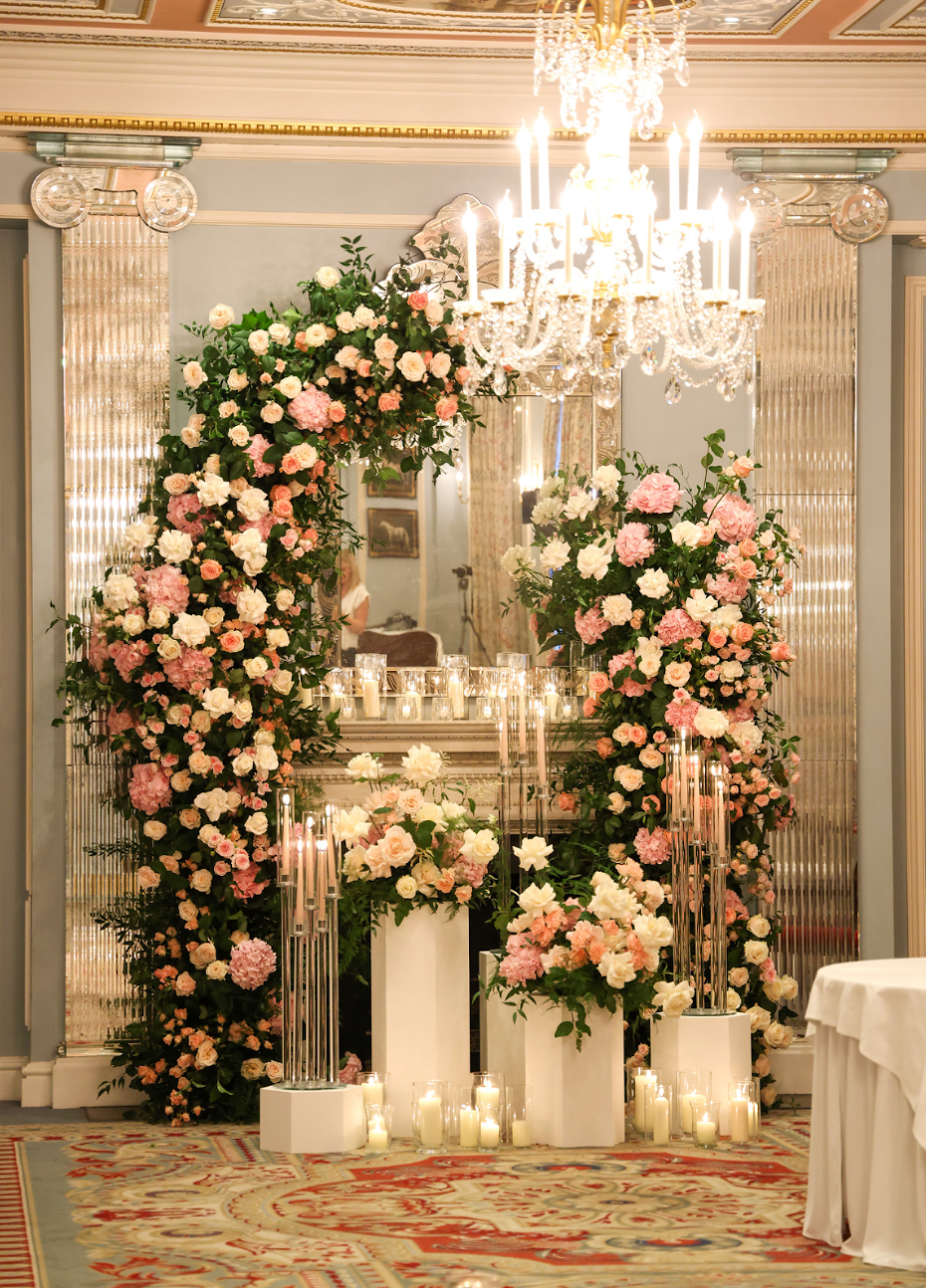
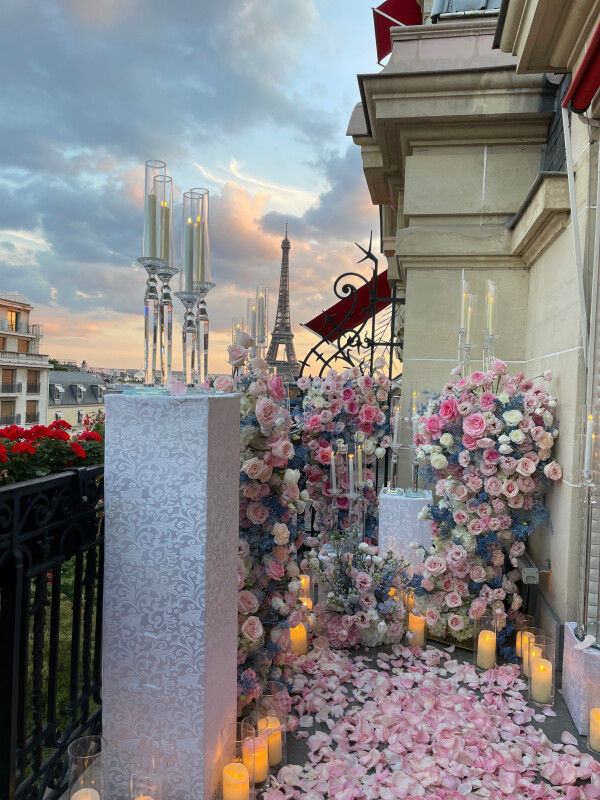
And then there's the proposal itself. The where, the when, the how. Whether you're leaning toward a London proposal at a landmark you both love, a destination proposal somewhere that takes their breath away, or something completely bespoke that nobody else could have imagined, the planning is where the vision starts to become real. Some people handle this themselves and love every minute of it. Others prefer to hand it to a team that does this every day, so they can focus their energy on being present in the moment rather than managing logistics.

Ready to Propose? Here's How to Start Planning Your Perfect Moment
The hardest part is already done. You know you're ready, and that quiet certainty is something most people spend months or even years waiting to feel. Everything that comes next, the location, the setup, the decor, the photography, the timing, the contingency plan if the weather turns, is what we handle every single day.
We've planned over 5,000 proposals across London, Paris, Lake Como, Santorini, Dubai, and beyond, every single one with a "yes." Our packages start from £499+VAT for a beautifully styled London setup, and our bespoke service can bring to life literally anything you've been imagining, from an intimate hotel room transformation to a private event at The Shard with champagne and panoramic views of the city.
Every proposal we plan starts with a conversation about your relationship, your partner, and your vision for the moment. From there, we handle every detail so that when the time comes, the only thing you need to think about is the person standing in front of you and the words you want to say to them.
You've already made the biggest decision. Get in touch for a free consultation and let us help you make the moment match the feeling.


